Removals near West Hampstead station what to expect
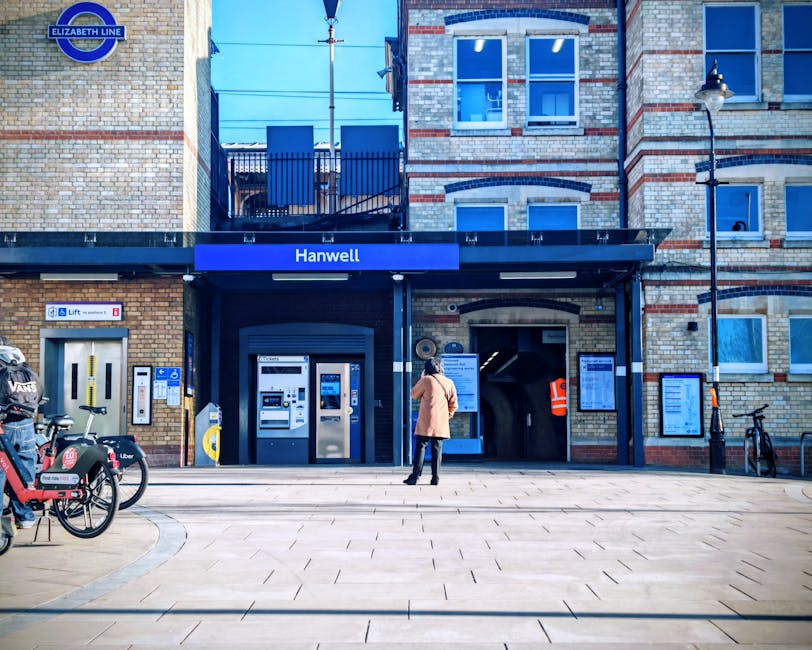
If you are planning a move and the station is part of your daily route, you will already know that removals near West Hampstead station are a very specific kind of job. It is not just "a van turning up and loading boxes." There are narrow streets, busy pedestrian flows, parking pressure, flats with staircases, and the usual London curveballs like tight timings and neighbours who are not thrilled by a stairwell full of furniture at 8 a.m. Truth be told, that is exactly why knowing what to expect makes the whole process calmer and far more manageable.
In this guide, we will walk through how local removals usually work, what can slow them down, what a good mover should handle for you, and how to prepare without overcomplicating it. You will also find a practical checklist, a comparison table, and a real-world example so you can picture the day properly before it arrives.
Why Removals near West Hampstead station what to expect Matters
Station-adjacent moves are not difficult because they are dramatic. They are difficult because they are fussy. The closer you are to West Hampstead station, the more the small details matter. Can a van stop safely? Is there space to load without blocking someone's morning? Will a sofa fit through the hallway without a two-person wrestle and a bit of creative physics? These are the questions that decide whether moving day feels orderly or chaotic.
That is why it helps to think about this kind of removal as a local logistics exercise, not just a transport job. West Hampstead has a mix of period properties, compact flats, busy roads and rail-linked traffic patterns. If you live in a top-floor flat or you are moving from a property with limited roadside access, your plan needs to be slightly sharper than a standard suburban move. A well-organised team can work around that, but only if they know the shape of the job in advance.
In our experience, people often underestimate the time spent on the non-obvious bits: finding the best stopping point, protecting shared areas, wrapping awkward furniture, and navigating stairs that seem to get narrower once the mattress arrives. None of that is a problem by itself. It just needs planning.
Practical takeaway: the more central and access-sensitive the location, the more your move benefits from clear timing, accurate inventory details, and proper packing. That is especially true around a station area where road space can be tight and delays stack up quickly.
If you want a sense of how the wider service is structured, the services overview is a sensible place to start. And if you are comparing transport styles, the pages for man and van West Hampstead and man with van West Hampstead explain the kind of support many local customers look for on short-notice or smaller moves.
How Removals near West Hampstead station what to expect Works
Most local removals follow a fairly predictable flow, even if every property has its own little quirks. A proper mover will usually begin with a conversation about what needs moving, where you are going, and whether there are access issues, fragile items or time restrictions. That first conversation matters more than people think. It shapes the van size, the number of crew members, and the length of time needed on the day.
After that, the process usually comes down to a sequence: arrival, quick check-in, loading, transport, unloading, and placement of items in the new property. Simple enough on paper. In real life, the tricky part is the loading. Around a station, there may be pedestrians passing constantly, cyclists moving through, and the occasional delivery vehicle making everything feel tighter than it looks on a map. Good crews work efficiently in that environment because they are used to it.
There is also the packing side. If you have packed well, the day feels clean and controlled. If you have not, the team can still help, but the move takes longer and the risk of breakage rises. That is why guidance such as pack your items and wait for us to come is more than a phrase; it reflects the basic logic of a smoother removals day. Keep items grouped, labelled, and ready. It saves time and honestly, it saves your nerves too.
Scheduling matters as well. If you are moving in a busy window, timing is everything. The page about delivery at the best time for you reflects what many London movers already know: a small timing adjustment can make a huge difference when roads, neighbours, and building access all come into play.
Typical moving-day flow
- Pre-move confirmation: inventory, address details, access notes, preferred time slot.
- Arrival and assessment: the crew checks parking, route to the property, and item priority.
- Protection and loading: furniture is handled carefully, wrapped where needed, and loaded in a sensible order.
- Transit: the van moves to the destination, ideally using the least awkward route.
- Unloading: boxes and furniture are carried in, with heavier items placed first.
- Final placement: rooms are checked, and you confirm everything is where it should be.
For bigger or more structured moves, it can help to read the detailed pages for house removals West Hampstead and flat removals West Hampstead. They are useful because the needs of a family house and a compact apartment are not remotely the same. One has bulk and volume; the other has awkward corners and stairs. Different headaches, same moving van.
Key Benefits and Practical Advantages
There is a reason local people often prefer a removal team with proper West Hampstead experience rather than a generic, one-size-fits-all operator. The benefits are not flashy, but they are real.
- Better local navigation: crews familiar with the area tend to plan around pinch points, loading access and realistic arrival times.
- Less wasted time: a team that understands local streets and station traffic patterns can keep the day moving.
- Fewer handling mistakes: experienced movers know how to deal with narrow stairs, compact lifts, heavy furniture and delicate items.
- More accurate planning: from van size to crew numbers, a local service can estimate more sensibly.
- Less stress for you: and that may be the biggest benefit of all. Moving is tiring enough without guesswork.
Another advantage is flexibility. Some people only need a small van and a couple of helping hands. Others need support with a larger home, storage, or a same-day move after keys are unexpectedly delayed. For those situations, it helps to know that same day removals West Hampstead and storage West Hampstead are both common parts of a practical moving plan, not emergency-only add-ons.
If you are moving furniture in particular, you may also want specialist handling. The page for furniture removals West Hampstead is relevant if you have bulky wardrobes, tables, sofas or beds that need more than a quick lift-and-go approach. And for delicate high-value pieces, there is a strong case for reading about piano removals West Hampstead, because one wrong move with a heavy, balanced item can turn a normal day into an expensive mess. Bit dramatic, yes. Also true.
Who This Is For and When It Makes Sense
This type of local removal makes sense for a surprisingly wide range of people. You do not need to be moving a whole house to benefit from organised help. In fact, around West Hampstead station, smaller and medium-sized moves are very common because so many properties are flats, conversions and shared homes.
This is likely the right fit if you are:
- moving into or out of a flat with stairs or limited lift access
- relocating between nearby streets and want a fast, efficient service
- moving office equipment or a small business setup
- managing a student move with limited furniture and a tight timetable
- handling a same-day or short-notice relocation
- moving a few large items rather than an entire household
- needing temporary storage while keys, completion or refurb work are sorted
Students, in particular, often underestimate how useful a simple, reliable moving arrangement can be. If that is you, it is worth looking at student removals West Hampstead. Small loads still deserve proper handling, especially when the "small load" includes a monitor, a guitar, three suitcases and a suspiciously heavy box of books.
Office moves are another case entirely. Even a small office needs good sequencing so laptops, files, chairs and screens do not end up in a jumble. If that sounds familiar, the page on office removals West Hampstead is worth a look. The basic principle is the same: minimise downtime, protect the equipment, and make sure nothing important is left behind in a drawer.
Step-by-Step Guidance
Here is the clearest way to think about a local move near West Hampstead station. You want fewer surprises, not more admin. So keep the process simple and structured.
1. Confirm your inventory
List the main furniture, the number of boxes, and any unusual items. That includes mirrors, plants, artwork, exercise gear, and anything that is awkwardly shaped. If you forget the odd items, the van may be too small, or the loading order may be off. Neither is ideal.
2. Check access before the day
Look at the route from the van to your door. Are there steps? Tight corners? A lift that barely fits a trolley? Is there a predictable loading spot? A mover can work around all of that, but the plan should reflect reality rather than wishful thinking.
3. Pack with purpose
Heavy items belong in small boxes. Fragile things should not rattle around. Label boxes by room, not just by content. "Kitchen" is more useful than "miscellaneous." If you need a nudge on preparation, the page about packing and boxes West Hampstead is a practical companion piece.
4. Choose the right service type
For a few items, a lighter-touch arrangement can be enough. For larger homes or more complex logistics, you may need a more complete removals service. In simple terms, that is the difference between a flexible transport helper and a fuller moving team. If you are weighing those options, the pages for man with a van West Hampstead and removals West Hampstead can help you compare the level of support you actually need.
5. Protect the building as well as your belongings
Good movers do not only protect furniture; they also avoid scuffing walls, blocking neighbours, or causing avoidable disruption in shared spaces. In residential blocks near the station, that is especially important. You want the move to end with your new place looking tidy, not like a rehearsal for a demolition scene.
6. Confirm placement on arrival
When items are unloaded, be specific about where things should go. If you say "bedroom," you might still end up moving the chest of drawers later yourself. A few seconds of clarity now saves a lot of lifting later.
Expert Tips for Better Results
Here are the small habits that make a big difference. Not glamorous. Very effective.
- Book for a realistic time slot. If access is awkward or the roads are busy, an early or mid-morning start is often smoother than a rushed last-minute slot.
- Separate essentials. Keep chargers, documents, medication, snacks, keys and a change of clothes in one clearly marked bag.
- Use consistent labels. One label system across all boxes is better than six different half-systems that nobody remembers by lunchtime.
- Photograph tricky setups. If there is a complex TV unit, dismantled bed frame or unusual storage arrangement, a quick photo helps later.
- Ask about insurance and handling. You want to know how your items are protected and what the mover's process is if something goes wrong.
- Leave a bit of slack. London moves are rarely improved by optimism alone. A small time buffer reduces panic when traffic or access takes longer than expected.
There is also a sustainability angle worth keeping in mind. If you are decluttering before the move, consider re-use and recycling rather than binning everything in a rush. The page on recycling and sustainability is a useful reminder that a move can be practical and a bit more responsible at the same time.
If you are the sort of person who likes to plan properly, the pricing and quotes page is a sensible next stop too. You do not need to obsess over every line item, but you should understand how estimates are built, especially if access, stairs or time constraints might affect the final arrangement.
Common Mistakes to Avoid
Most moving problems are surprisingly ordinary. They usually come from rushing, not from bad luck.
- Underestimating box count: people always seem to have more books, cables and "random useful things" than they expected.
- Packing too late: last-minute packing leads to mixed boxes, weak tape jobs and missing labels.
- Ignoring access details: if the van cannot stop close enough, everything takes longer.
- Forgetting shared-building rules: some blocks need lift booking, time windows or polite coordination with neighbours.
- Choosing the wrong vehicle size: too small means repeat trips; too large can be awkward for local access.
- Not confirming special items: pianos, antiques, large mirrors and fragile pieces need advance mention.
Another common one? Not checking the route from old place to new. You may assume "it's only a mile or so," but station-area traffic, school runs or road works can make a short journey unexpectedly slow. Not catastrophic. Just annoying. And moving day already comes with enough of that.
Tools, Resources and Recommendations
You do not need a whole warehouse of moving gear, but a few practical tools make life easier.
- Strong packing tape: cheap tape is a false economy. It gives up right when you need it most.
- Marker pens: label every box clearly, ideally on more than one side.
- Protective wrap or blankets: especially useful for furniture edges and mirrors.
- Sturdy bags or crates: good for tools, cables and smaller loose items.
- Basic screwdriver set: handy for bed frames, shelves and minor dismantling.
- Floor protection: useful in wet weather or when moving through shared hallways.
Some people also like to keep a move-day folder with keys, paperwork, booking confirmations and any building instructions. That sounds almost too neat, but when you are juggling removals, it is genuinely helpful.
If you want a broader look at available support, the page on removal services West Hampstead can help you understand the range of options, while removal van West Hampstead is useful if you are mainly trying to match the right vehicle to your load.
Law, Compliance, Standards and Best Practice
For removals, the main thing to understand is that good practice matters even when the move itself looks informal. A proper service should treat your belongings carefully, communicate clearly, and handle loading in a way that is safe for both people and property. It should also be transparent about terms, payment, and what is covered.
In UK moving work, common expectations include reasonable care with goods, sensible handling of access routes, and honest communication about any limits or conditions. If a building has restrictions, those need to be respected. If there are insurance considerations, those should be explained plainly. If there is a delay, you should not be left guessing. That is basic professionalism.
You will also see references to health and safety, which is not just paperwork. It covers practical things like safe lifting, avoiding blocked walkways, and reducing the chance of injury when heavy items are carried through stairs or shared entrances. The page on health and safety policy gives a sense of the standards a responsible provider should hold itself to.
Two other trust signals worth checking are insurance and payment handling. If the company explains how it protects your items and how transactions are managed, that is a good sign. You can also review insurance and safety and payment and security if you want extra reassurance before booking. Nothing flashy, just the sort of detail that makes a moving day feel properly looked after.
Options, Methods, or Comparison Table
Different moving setups suit different kinds of jobs. Here is a simple comparison to help you choose with a clearer head.
| Option | Best for | Typical strengths | Possible drawback |
|---|---|---|---|
| Man and van | Small moves, single-room loads, a few bulky items | Flexible, often cost-effective, useful for local jobs | May be less suitable for large or complex moves |
| Full removals service | Whole homes, larger flats, family moves | More support, better for heavy or numerous items | Usually more planning required |
| Same-day removals | Urgent moves or unexpected changes | Speed and responsiveness | Availability can be limited |
| Storage plus removals | Delayed completion, renovations, staged moves | Less pressure if dates do not line up neatly | Requires extra coordination |
If you are unsure which method fits, start with the shape of your load, then think about access, timing and how much help you want carrying items. That order usually works better than starting with the cheapest option and hoping the rest falls into place.
Case Study or Real-World Example
Here is a realistic local scenario. A couple are moving from a second-floor flat a short walk from West Hampstead station to a nearby property with easier access. On paper, it looks like a straightforward job. Same area, short distance, not many rooms. Then the details appear: one narrow stairwell, a sofa that barely clears the corner, and a building where the best loading point is not directly outside the door.
They start by packing early, grouping kitchen items separately, labelling every box by room, and dismantling the bed the day before. They also notify the mover about a heavy bookshelf and a mirror that needs extra care. On moving day, the crew arrives, checks access, and loads the larger pieces first so the van space is used properly. The trip itself is quick. The second property is easier, but there is still some careful lifting because the hallway is tighter than expected.
What made the difference? Not speed, really. It was preparation. The couple knew what they had, the mover knew what to expect, and the route from property to van had been thought through. The move still took effort, of course. Moving always does. But it stayed calm, which is the part people usually remember later.
That is the kind of result you want near a station: not dramatic, not lucky, just well handled.
Practical Checklist
Use this as a last-minute sanity check before moving day.
- Confirm the moving date and time
- Share full pickup and delivery addresses
- Note stairs, lifts, parking or loading restrictions
- List bulky, fragile or unusually heavy items
- Pack and label boxes by room
- Set aside essentials for the first night
- Disassemble furniture if agreed and safe to do so
- Protect mirrors, screens and delicate surfaces
- Keep keys, documents and payment details handy
- Check the weather and plan for wet pavement if needed
- Make sure the route to the door is clear
- Tell neighbours or building management if required
- Double-check nothing is left in cupboards, drawers or the loft
Quick tip: if you think a task is "obvious," write it down anyway. The obvious things are the ones people forget at 6:45 in the morning.
Conclusion
So, what should you expect from removals near West Hampstead station? A move that rewards planning, clear communication and a realistic view of local access. You should expect a process that feels smoother when the inventory is accurate, the packing is sensible, and the timing has been thought through. You should also expect a good local mover to understand that station-area logistics are not just about driving a van. They are about managing the whole chain of movement, from doorstep to destination.
If you keep the job simple, ask the right questions, and prepare the key details in advance, the day becomes far less intimidating. And that is really the goal. Not perfection. Just a move that feels handled.
If you are planning your own move and want advice tailored to your situation, it is worth taking the next step now rather than leaving it until the boxes are stacked in a panic by the door.
Get a free quote today and see how much you can save.
Frequently Asked Questions
What should I expect on moving day near West Hampstead station?
You should expect a fairly structured process: arrival, quick access check, loading, transport and unloading. The biggest difference in this area is access planning, because station-adjacent roads and parking can be tighter than they look.
How long do removals near West Hampstead station usually take?
It depends on the size of the move, the number of stairs, packing readiness and parking access. A small local move can be fairly quick, while a larger flat or house move will naturally take longer. The less prepared the load, the longer it tends to drag on.
Do I need to pack everything myself?
Not always, but the better packed your items are, the smoother the day will be. Many people do their own packing and leave the transport and lifting to the movers. If you prefer a more hands-off approach, ask what packing support is available before you book.
Is a man and van service enough for a move near the station?
It can be, especially for smaller loads, student moves or a few bulky items. For a full household move, though, you may need something more comprehensive. The right choice depends on the amount of furniture, the access situation and how much help you want.
What makes station-area removals more challenging?
The usual issues are parking, narrow roads, pedestrian traffic and tight timing windows. Shared entrances and stairwells can also slow things down. None of these are deal-breakers, but they do reward careful planning.
Should I book same-day removals if my plans are uncertain?
If your timeline is up in the air, same-day removals can be useful, but availability is never guaranteed. They are best used when you genuinely need speed, not just because you have left the packing late. Easy to do, yes. Ideal? Not really.
How do I know whether I need storage as part of the move?
If your dates do not line up cleanly, or if you are renovating, downsizing or moving in stages, storage can remove a lot of pressure. It is especially useful when completion dates are uncertain or you do not want everything arriving at once.
What should I tell the removal team before the day?
Give them the exact addresses, access details, any parking restrictions, the number of boxes, and a list of awkward or fragile items. The more accurate the information, the better they can plan the van size and crew.
Are fragile items safe during local removals?
They can be, provided they are packed well and the mover handles them properly. Mirrors, screens, glass and artwork should be protected, labelled and loaded carefully. If in doubt, mention them early rather than after the van is already outside.
What if my building has lift booking rules or time restrictions?
Then you should mention that upfront. It is a common issue in London flats and blocks around busy transport links. A good mover will work around it, but only if they know in advance.
Can movers help with large furniture or specialist items?
Yes, many can. Large wardrobes, sofas, beds and heavier pieces are part of ordinary removals work, while specialist items may need extra care or specific planning. For example, pianos and other delicate heavy items should always be discussed in detail before the move.
How do I make the day less stressful?
Pack early, label clearly, keep essentials separate and confirm access details before the move. A bit of preparation goes a long way. Honestly, it is the difference between a controlled job and one big scramble.
What is the best next step if I am still comparing options?
Start by comparing the type of move you need, then check the service level, timing and support available. If you want a clearer idea of costs and arrangements, review the relevant service pages and ask for a quote once you know the basic details of your move.