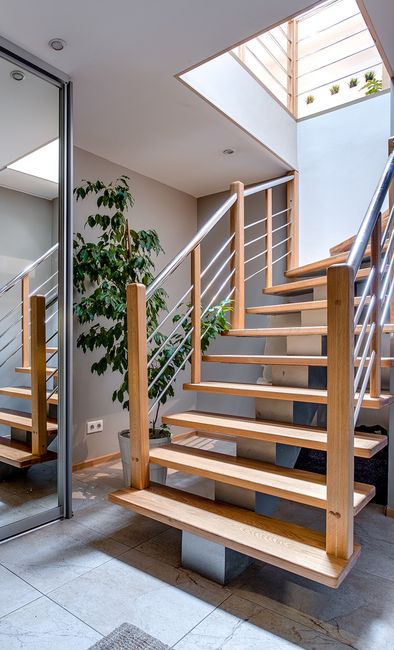
Common problems with loft and stairs during removals NW6
If you are moving out of a top-floor flat or a terrace with a narrow staircase, you already know the awkward bit is rarely the van. It is the loft hatch, the tight turn on the stairs, the low ceiling, the banister that seems to be in the way just when you need it most. In NW6, that kind of access issue comes up a lot, and common problems with loft and stairs during removals NW6 can quickly slow a move if nobody has planned for them properly.
This guide breaks down the usual snags, why they happen, and how to handle them without turning moving day into a stressful scramble. You will also find practical checks, a comparison table, a real-world example, and a checklist you can use before the team arrives. A bit of preparation goes a long way, honestly. Sometimes the difference between a smooth move and a miserable one is just ten minutes with a tape measure and a calm head.
Why Common problems with loft and stairs during removals NW6 Matters
Lofts and staircases are where moving friction tends to show up first. A sofa that looks manageable in the living room can become a three-person puzzle when it reaches a steep stairwell. A box of books that felt light on the floor suddenly becomes a grip hazard on the second landing. And loft spaces? They are often smaller, hotter, and more awkward than they appear from below.
In NW6, many homes and flats have the sort of access that looks fine until a removal crew starts turning furniture through tight corners. West Hampstead and nearby streets include a mix of converted properties, mansion blocks, older terraces, and compact flats. That means removals often need a bit more thought than a standard "load and go" job. If you ignore access issues, you can end up with damaged walls, delayed timings, frustrated neighbours, or items that simply will not fit through the stairwell in one piece.
That is why good removal planning is not just about lifting heavy things. It is about protecting the property, protecting the items, and protecting everyone's backs. To be fair, nobody wants to carry a wardrobe halfway down the stairs only to realise it will not clear the turn.
For people moving within the area, it also affects timing and cost. A job that is straightforward on paper may need more labour, more time, or a different vehicle and loading plan. If you are comparing moving options, it helps to look beyond the headline price and review the practical side too. Pages like services overview and pricing and quotes are useful starting points when you are thinking through the moving plan rather than just the truck.
How Common problems with loft and stairs during removals NW6 Works
The basic challenge is simple: objects have dimensions, and staircases have geometry. The problem is that furniture, boxes, and household items do not politely reshape themselves to match narrow corridors, steep flights, or loft ladders. So the removal team has to work with the building, not against it.
In practice, the main issue points usually fall into four areas:
- Width: items may be too wide to pass through the stairwell or loft opening.
- Height: low ceilings and sloping roofs can stop tall furniture from being carried upright.
- Angle: tight turns, half-landings, and awkward bannisters can make rotation difficult.
- Strength and stability: stairs become more dangerous when the load shifts, especially with bulky or uneven items.
Loft access adds another layer. Some lofts are reached by fixed stairs, some by folding ladders, and some by narrow hatch openings. That changes everything. A box that can be safely lowered from a fixed staircase might be a poor candidate for a loft ladder. Likewise, a dismantled bed frame may be easy to handle in a bedroom but awkward once it is halfway through the hatch.
The best removals teams usually start with an access check rather than loading immediately. They look at stair width, stair angle, ceiling height, handrail placement, whether the loft contains fragile insulation or stored items, and whether larger pieces need dismantling before the move begins. That little bit of observation saves a lot of grief later.
If you are moving from a flat or a house with unusual access, it can be worth reading about flat removals in West Hampstead or house removals in West Hampstead to understand how access planning fits into different types of move.
Key Benefits and Practical Advantages
Getting loft and stair access right does more than avoid a few bumps. It changes the whole mood of moving day. Here are the biggest practical wins.
- Less risk of damage: walls, banisters, floors, and furniture are all easier to protect when the route is planned.
- Faster loading and unloading: crews can move with confidence instead of stopping every two minutes to re-angle a sofa.
- Lower physical strain: fewer awkward lifts mean less chance of injury or exhaustion.
- Better use of labour: if a team knows where the difficult points are, they can bring the right number of people.
- Less stress for you: you are not left standing on the landing wondering whether the wardrobe is coming down at all.
Another benefit that people sometimes miss is neighbour management. Tight stairwells often mean more noise, more foot traffic, and more stop-start movement. Good planning reduces the amount of time the shared hallway is blocked, which is especially helpful in apartment blocks and converted buildings where people are coming and going all day.
Expert summary: the fewer surprises on the stairs, the smoother the whole removal. Measure early, dismantle where needed, and never assume the loft or staircase will behave like the room it sits next to.
If you are arranging a local move and want a straightforward route through the process, a service like man with van West Hampstead can suit lighter jobs, while larger households may need a broader setup such as removal services in West Hampstead.
Who This Is For and When It Makes Sense
This topic matters for anyone moving from a property with limited access, but some people feel it more sharply than others.
- Top-floor flat residents who rely on narrow communal stairwells.
- Homeowners with loft storage who need to clear boxes, seasonal items, or furniture from above.
- Students moving in and out of compact NW6 rentals with tiny stairs and awkward corners.
- Families moving larger furniture through older homes where the stairwell was not built for modern sofas.
- Office movers working from converted buildings where access is not exactly generous.
This is also relevant if you are moving on a tight schedule. Same-day or short-notice moves leave less room for trial and error, so access problems become even more important. If that sounds familiar, take a look at same day removals West Hampstead or broader man and a van West Hampstead options when the move is smaller and time-sensitive.
Truth be told, even a simple move can become complicated if a loft hatch is too small or a staircase is too tight. So this advice makes sense whether you are moving one room or an entire household.
Step-by-Step Guidance
Here is a practical way to handle loft and stair problems before moving day arrives.
- Inspect the route early. Walk from the loft or top room down to the exit. Look for corners, handrails, low ceilings, and any place furniture will need to twist.
- Measure the awkward points. Measure the loft hatch, stair width, landing space, and the largest items you plan to move. A quick measurement can stop a lot of guesswork.
- Separate what must be dismantled. Beds, wardrobes, tables, and large shelving units are often easier to handle in pieces. Do not wait until the crew is already on the stairs.
- Clear the stairwell and loft access. Remove loose rugs, boxes, coat stands, shoes, and anything else that could catch a foot or snag a corner.
- Protect surfaces. Use covers, blankets, or protective wraps where needed. A bit of padding helps more than people expect.
- Label and stage boxes sensibly. Heavy boxes should not be stacked where they need to be carried down first. Put them somewhere easy to reach and safe to lift.
- Tell the removals team about the difficult items. Be specific. Say what is in the loft, what is fragile, and what might need two or three people.
- Keep a backup plan. If something will not fit, decide in advance whether it can be dismantled, stored, or moved by another route.
One small but useful habit: photograph the access route before the move. It sounds almost too simple, but a few quick pictures of the staircase, loft opening, and landing can be incredibly helpful when discussing the job with a mover. It is a bit like giving them a map without the drama.
If your move involves boxes and packing decisions, it can also help to review packing and boxes West Hampstead and the practical advice on pack your items and wait for us to come. That is especially useful if your loft has been used as long-term storage and needs sorting before removal day.
Expert Tips for Better Results
Here is where a bit of removal experience really pays off. These are the sorts of things that make a move feel controlled instead of chaotic.
- Use a "largest item first" test. If the biggest item can make it through the stair route, everything else becomes easier to judge.
- Keep two people on awkward corners. One person guiding from the front and another steadying from behind is often safer than rushing with extra muscle.
- Lift with the route in mind, not just the weight. The heaviest problem is not always the heaviest object; it is often the one that does not rotate well.
- Do not overfill boxes from the loft. Loft stored items often include books, paperwork, seasonal ornaments, and odd bits that seem harmless until they are in a box on stairs.
- Work in short stages. Small pauses on the landing help prevent slips and give the team time to reset grip and posture.
A realistic example: a chest of drawers may be light enough for two people on the ground floor, but once it reaches a narrow turn with a low ceiling, it needs to be tipped, rotated, and walked down edge-first. That is not hard in theory, but it does take patience. Patience, and a bit of coordination. Maybe a little coffee beforehand too, if we are being honest.
If you are comparing moving styles, a man and van West Hampstead setup can be a good fit for compact or mid-sized jobs, while heavier or more delicate moves may justify a dedicated removal van in West Hampstead and a larger crew.
Common Mistakes to Avoid
Most stair and loft problems are predictable. The trouble is, people often only notice them after the first failed lift. Here are the errors that cause the most hassle.
- Not measuring the route. "It should fit" is not the same as knowing it will fit.
- Forgetting the loft ladder or hatch size. This is a classic one, and it catches people out more than you would think.
- Leaving everything packed in the loft. If the loft is your last stop on a move, you may create a bottleneck before the van has even started.
- Ignoring shared access rules. In some blocks, you may need to avoid certain hours or keep common areas clear. Check in advance rather than arguing on the day.
- Using weak boxes for heavy items. Old boxes sag on stairs. Then one corner drops, and suddenly the whole box becomes unstable.
- Not protecting the walls. One scuff can be minor, but several scuffs on a fresh stairwell are, well, not ideal.
There is also a human mistake: trying to rush because you feel awkward about holding up the move. That is understandable. But rushing is how backs get tweaked and banisters get knocked. Better to take the extra minute. Always.
For anyone worried about budget surprises, it is worth reading how to avoid hidden charges in West Hampstead removals before booking. Access issues can affect pricing, so clarity matters.
Tools, Resources and Recommendations
You do not need a warehouse full of specialist equipment, but a few practical tools make loft and stair removals much easier.
- Tape measure: for the stair width, loft hatch, and the largest furniture pieces.
- Furniture blankets: useful for protecting corners, bannisters, and painted walls.
- Ratchet straps or tie-downs: helpful for securing items once they are on the van.
- Marker pens and labels: especially useful for loft boxes that contain mixed items.
- Basic dismantling tools: screwdrivers, Allen keys, and a small tool kit for beds and flat-pack furniture.
- Gloves with grip: not glamorous, but very handy on narrow stairs.
From a planning point of view, a good local removals provider should be able to talk you through access, vehicle size, manpower, and any items that may need dismantling. If you need broader support, browse the company's removals West Hampstead page or its removal companies West Hampstead information to see how the service is structured.
If you are moving things into storage because the loft is too full to sort in one go, storage in West Hampstead can be a sensible short-term option. And if the move is office-related, tight stairs can be even trickier, so office removals West Hampstead may be relevant too.
Law, Compliance, Standards, or Best Practice
For loft and stair removals, the main legal and compliance concern is safety. In the UK, moving work should be carried out with reasonable care to avoid injury and property damage. That means using safe lifting practices, making sure access routes are not obstructed, and planning the job so people are not put at avoidable risk.
There is no single magic rule that fits every property, because homes vary so much. But a sensible removal provider will usually follow these everyday best practices:
- carry out a reasonable access check before lifting heavy items;
- use enough people for awkward loads;
- avoid carrying items that block the carrier's view on stairs;
- protect floors and walls where possible;
- pause the job if the route becomes unsafe.
Insurance is also worth thinking about. Not every policy covers every type of damage in the same way, so it is sensible to understand what is included before the move starts. A reputable business should be able to explain insurance and safety in plain English. That kind of clarity matters more than fancy wording.
Best practice also includes honesty. If a loft has poor access, say so. If the staircase is too tight for the wardrobe, say so. The earlier that conversation happens, the smoother the move will be. Simple, but true.
Options, Methods, or Comparison Table
Different access problems need different solutions. Here is a simple comparison to help you think it through.
| Method | Best for | Strengths | Limitations |
|---|---|---|---|
| Move items intact | Small, light, easy-to-handle pieces | Fast and straightforward | Risky for large or awkward furniture |
| Dismantle before moving | Beds, wardrobes, shelving, bulky furniture | Easier through stairs and loft hatches | Needs tools and careful reassembly |
| Use extra manpower | Heavy items with awkward turns | Safer control and better stability | Costs more and still may not solve fit issues |
| Temporary storage | Moves that need sorting time or staged removals | Reduces pressure on moving day | Requires an extra step and planning |
The right choice depends on the property, not just the item. A huge sofa might be fine in a modern stairwell but a nightmare in an older loft conversion. On the other hand, a compact table might look easy and still snag on the bannister because of the angle. Funny how that works, isn't it?
Case Study or Real-World Example
Here is a typical NW6-style scenario. A customer is moving from a two-bedroom flat on the top floor of a converted Victorian building. The loft contains four boxes of books, a lamp, seasonal decorations, and an old mirror. The staircase has a tight turn halfway down, plus a low ceiling near the landing.
At first glance, the move seems ordinary. But once the crew checks the route, two issues show up quickly:
- the mirror is too tall to carry upright through the turn;
- the books are far heavier than expected, making the loft boxes awkward on the stairs.
The solution is straightforward but not instant. The mirror is wrapped and moved on its side with one person guiding the top edge. The book boxes are repacked into smaller containers so the stair load is more manageable. A wardrobe from the bedroom is dismantled before being taken down. The whole move takes a little longer than a plain ground-floor job, but there is no wall damage and no panic on the landing.
That kind of move is exactly why access planning matters. Nothing dramatic, just a lot of small decisions. And those decisions add up.
If the property sits in a particularly tight-access street or conversion, local guides such as Fortune Green house removals tips for tight access, West End Lane removals guide for easy moves, and Mill Lane student removals advice for NW6 renters can help set expectations before the moving day arrives.
Practical Checklist
Use this checklist in the days before the move. It keeps things calm, and calm is underrated.
- Measure the loft hatch, staircase, and narrowest landing point.
- Check whether any items must be dismantled first.
- Empty loft boxes and repack heavy contents into smaller loads.
- Remove obstacles from hallways, landings, and stairs.
- Protect floors, railings, and sharp corners where possible.
- Tell the removals team about fragile, awkward, or oversized items.
- Confirm whether the building has access restrictions or time limits.
- Set aside tools for dismantling and reassembly.
- Decide in advance what will go to storage, if anything.
- Keep one essentials box separate so you are not hunting for kettles and chargers later.
If you want packing help before the move begins, package your items and wait for us to come is a helpful reminder of how a well-prepared handover can reduce the chaos on the day.
Get a free quote today and see how much you can save.
Conclusion
Loft and stair problems are one of those moving issues that feel small right up until they are not. Then they become the whole day. The good news is that most of them are preventable with careful measurements, sensible packing, and an honest look at the access route before anyone starts lifting.
In NW6, where many properties have steep stairs, converted layouts, and compact loft storage, the smart approach is simple: plan early, speak clearly, and do not underestimate the awkward bits. Once those are under control, the rest of the move usually feels much lighter.
If you are trying to choose the best approach for your property, or you want a team that understands tight-access moves in the area, start by reviewing the service information and then speak with a local specialist. A good move should feel organised, not rushed. You deserve that bit of calm.
Frequently Asked Questions
What are the most common problems with loft and stairs during removals in NW6?
The most common issues are narrow stairwells, tight turns, low ceilings, small loft hatches, heavy boxes, and items that need dismantling before they can be carried safely.
How do I know if my furniture will fit down the stairs?
Measure the widest part of the furniture and compare it with the narrowest part of the stair route, including turns and handrails. If the item is close to the limit, assume it may need to be dismantled.
Should I empty the loft before moving day?
Yes, ideally. Loft items are often heavier and less organised than people remember, so repacking early makes the move safer and faster.
Can removals teams dismantle furniture on the spot?
Many can, especially for beds, wardrobes, and flat-pack furniture. Still, it is better to mention likely dismantling needs in advance so the right tools and time can be planned.
What if my staircase is too narrow for a sofa?
If the sofa will not clear the staircase, the usual options are dismantling, moving it via another route if possible, or choosing not to move it at all if it is not practical.
Are loft ladders a problem for removals?
They can be. Loft ladders are often steeper and less stable than fixed stairs, so large or heavy items may not be safe to move through them.
Does tight stair access make a removal more expensive?
It can, because difficult access may require extra labour, more time, or additional planning. The exact cost depends on the move, so it is best to request a clear quote after describing the access properly.
What should I tell the removals company before the move?
Tell them about staircase width, loft access, any low ceilings, large furniture, fragile items, parking limitations, and whether anything needs dismantling or storage.
How can I protect walls and banisters during a stair move?
Use blankets or protective covers where appropriate, keep the route clear, and make sure two people guide awkward items rather than forcing them through quickly.
What is the safest way to carry boxes down stairs?
Use smaller boxes for heavy items, keep the load balanced, maintain a clear line of sight where possible, and take breaks on landings if needed. Heavy boxes and stairs are a poor combination, frankly.
Is storage a good option if the loft is too full to clear in one day?
Yes, temporary storage can help if you need to move in stages or sort belongings before deciding what stays. It is especially useful when access is tight and time is limited.
How early should I book a removal for a top-floor flat?
As early as you can, especially if the access is awkward or you need weekend timing. Early booking gives more room for planning and reduces last-minute stress.